
Why More Brands Are Investing in Refillable Packaging

Why More Brands Are Investing in Refillable Packaging
Consumer brands are facing pressure from every direction. Packaging costs continue to fluctuate, sustainability expectations are increasing, and customer acquisition has never been more expensive. As a result, many companies are looking beyond traditional packaging models and exploring solutions that deliver measurable business value.
One packaging format gaining significant traction is refillable packaging.
What began as a sustainability initiative has evolved into a strategic business decision. From personal care and household cleaning products to pet care, wellness, beauty, and food applications, refillable pouches are helping brands reduce packaging costs, improve logistics efficiency, and strengthen customer loyalty.
For many organizations, refillable packaging is no longer simply an environmental consideration. It is becoming a competitive advantage.
The Business Case for Refillable Packaging
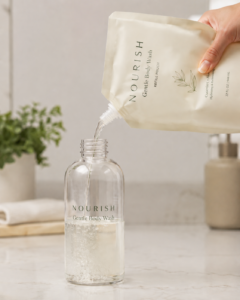
Traditional packaging requires consumers to purchase a new bottle, jar, or container every time they replenish a product. Refillable systems take a different approach. Consumers purchase a durable primary package once and then purchase refill pouches for subsequent purchases.
The model creates advantages for both consumers and brands, but the business benefits are often what drive adoption.
Because refill pouches typically use significantly less material than rigid packaging, brands can reduce packaging consumption without sacrificing product protection. Less material often translates to lower packaging costs, reduced transportation expenses, and improved storage efficiency throughout the supply chain.
For brands managing large product portfolios or high-volume replenishment products, these savings can become substantial over time.
Lower Freight and Storage Costs
Flexible refill pouches are lightweight and space-efficient compared to rigid containers. Before filling, pouches can often be shipped and stored flat, reducing warehouse requirements and improving operational efficiency.
After filling, the reduced weight of flexible packaging can help lower freight expenses while maximizing shipping density.
As transportation and logistics costs continue to rise, these efficiencies are becoming increasingly valuable to packaging buyers and operations teams looking to optimize supply chain performance.
Building Customer Loyalty Through Refill Systems
Refillable packaging can also create stronger customer relationships.
When consumers invest in a reusable container, they are more likely to remain within a brand’s ecosystem for future purchases. Instead of choosing between competing products on the shelf, customers return to purchase compatible refills, creating a more predictable replenishment cycle.
For brands, this can increase customer retention, improve repeat purchase rates, and strengthen lifetime customer value.
In many cases, refill systems become both a packaging strategy and a customer loyalty strategy.
Supporting Sustainability Goals
Sustainability remains an important consideration for brands, retailers, and consumers alike.
Refillable packaging programs can help organizations reduce overall packaging material consumption while supporting broader waste-reduction initiatives. By replacing multiple rigid containers with lightweight refill pouches, brands can often decrease the amount of packaging material entering the waste stream.
Many retailers are also placing greater emphasis on sustainability initiatives throughout their supply chains, making refill programs an increasingly attractive option for brands seeking to align with evolving market expectations.
While sustainability may not be the sole reason to adopt refillable packaging, it often becomes an additional benefit alongside cost savings and customer retention.
Why Flexible Packaging Is the Preferred Refill Format
Flexible packaging has become the leading format for refill programs because it offers a unique combination of performance, convenience, and efficiency.
Modern refill pouches can be engineered with:
- High-barrier structures to protect product integrity
- Resealable closures for consumer convenience
- Easy-pour spouts for controlled dispensing
- Durable materials designed for transportation and handling
- High-quality graphics that reinforce brand recognition
Advances in flexible packaging technology allow refill pouches to deliver both functional performance and premium shelf appeal, making them a practical solution for a wide range of product categories.
Key Considerations Before Launching a Refillable Pouch Program
Not every product is an ideal candidate for refill packaging, and successful programs require thoughtful planning.
Before launching a refillable packaging initiative, brands should evaluate several factors:
Product Protection Requirements
Different products require different barrier properties to maintain freshness, stability, and shelf life. Selecting the appropriate packaging structure is critical to long-term performance.
Consumer Experience
A refill system should be intuitive and easy to use. Features such as spouts, closures, opening mechanisms, and pouring control all contribute to customer satisfaction.
Brand Consistency
Refill packaging should feel like a natural extension of the primary package. Consistent branding, messaging, and design help reinforce consumer confidence and improve recognition at the point of purchase.
Operational Compatibility
Brands should consider filling equipment requirements, production efficiencies, transportation considerations, and inventory management when evaluating refill pouch solutions.
Addressing these factors early in the packaging development process can help ensure a successful product launch.

Is Refillable Packaging Right for Your Brand?
Refillable packaging is particularly effective for products that are purchased repeatedly and consumed as part of an ongoing routine.
Common applications include:
- Personal care products
- Household cleaning products
- Laundry detergents
- Pet care products
- Nutritional supplements
- Beauty and cosmetic products
- Food and beverage concentrates
For brands seeking to reduce packaging costs, improve sustainability metrics, and strengthen customer loyalty, refillable packaging presents a compelling opportunity.
The Future of Packaging Is More Flexible
The growth of refillable packaging reflects a broader shift in how brands think about packaging strategy. Today’s packaging must do more than simply contain a product. It must support operational efficiency, align with sustainability goals, enhance the customer experience, and contribute to long-term business growth.
Refillable pouches help accomplish all of these objectives while providing a practical path toward more efficient packaging systems.
At SunDance, we help brands evaluate flexible packaging solutions that balance performance, functionality, and visual impact. Whether you’re exploring refillable packaging for the first time or looking to optimize an existing program, our team can help you identify the right solution for your product, your customers, and your business goals.
Contact SunDance today to learn how refillable packaging can help drive efficiency, customer loyalty, and long-term growth.

Holly Picano is the AI & Digital Marketing Manager at SunDance, a 2x Forbes-featured GenAI author on Amazon, Marquis Who’s Who honoree for digital innovation, and recipient of Disney’s prestigious Partners in Excellence award, presented to fewer than 2% of cast members worldwide.