Flexible Packaging Pouch Structures Explained: How to Choose the Right Materials for Your Product

When designing flexible packaging, the graphics often receive most of the attention, but what’s inside the pouch walls is just as important.
The structure of a pouch determines how well it protects your product, performs on packaging equipment, withstands shipping, and even how consumers perceive your brand.
Whether you’re packaging snacks, pet treats, coffee, supplements, frozen foods, or household products, selecting the right material structure is one of the most important decisions you’ll make.
Here’s a practical guide to understanding pouch structures and choosing materials that fit your product’s needs.
What Is a Pouch Structure?
A pouch structure refers to the combination of films laminated together to create a finished package.
Each layer serves a specific purpose, such as:
- Providing strength
- Creating a moisture barrier
- Blocking oxygen
- Protecting against light
- Offering puncture resistance
- Delivering premium print quality
- Improving shelf appeal
Instead of relying on a single material, most flexible packages combine two or three materials to achieve the desired performance.
Think of it like building a house, every layer has a job.
Common Flexible Packaging Materials
PET (Polyester)
PET is one of the most commonly used outer layers.
Benefits include:
- Excellent print quality
- High stiffness
- Heat resistance
- Glossy appearance
- Good dimensional stability
Common applications:
- Coffee
- Snacks
- Pet treats
- Supplements
- Premium retail packaging
BOPP (Biaxially Oriented Polypropylene)
BOPP provides excellent clarity and moisture resistance while remaining lightweight.
Benefits include:
- Crystal-clear appearance
- Moisture protection
- Cost-effective
- Good machinability
Common applications:
- Candy
- Bakery
- Granola
- Dry snacks
MET PET (Metallized Polyester)
A thin aluminum layer dramatically increases barrier performance.
Benefits include:
- Excellent oxygen barrier
- Strong moisture barrier
- Light protection
- Extended shelf life
Common applications:
- Coffee
- Protein powders
- Nutritional products
- Sensitive snack foods
Aluminum Foil
When maximum protection is required, foil remains the gold standard.
Benefits include:
- Nearly complete oxygen barrier
- Complete light barrier
- Excellent aroma retention
- Maximum shelf-life protection
Common applications:
- Pharmaceuticals
- Coffee
- Medical products
- Specialty foods
PE (Polyethylene)
PE is commonly used as the sealant layer.
Benefits include:
- Excellent heat sealing
- Flexibility
- Food-safe
- Durable
- Available in multiple thicknesses
Almost every stand-up pouch contains a PE layer.
Nylon (PA)
Nylon adds toughness and puncture resistance.
Benefits include:
- High strength
- Excellent puncture resistance
- Good flexibility
- Suitable for vacuum packaging
Common applications:
- Meat
- Cheese
- Frozen foods
- Seafood
Understanding Barrier Protection
One of the biggest reasons for using multiple materials is barrier performance.
Different products require different levels of protection from:
- Oxygen
- Moisture
- UV light
- Aroma transfer
For example:
Coffee quickly loses freshness when exposed to oxygen.
Potato chips become stale when moisture enters the package.
Spices lose aroma over time without proper barriers.
The right structure helps preserve freshness from production through the consumer’s pantry.
Examples of Common Pouch Structures
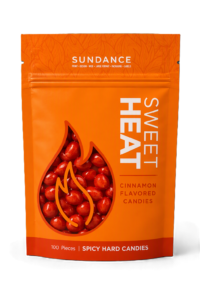
General Dry Foods
PET / PE
Ideal for:
- Candy
- Cookies
- Dry mixes
- Some baked goods
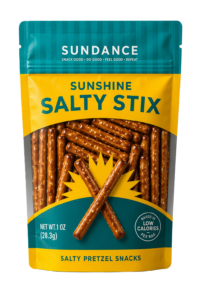
Premium Snack Packaging
PET / MET PET / PE
Ideal for:
- Protein snacks
- Nuts
- Trail mix
- Coffee
Offers excellent barrier protection while maintaining a premium appearance.
High-Barrier Packaging
PET / Foil / PE
Ideal for:
- Coffee
- Supplements
- Sensitive ingredients
- Long shelf-life products
Vacuum Packaging
PET / Nylon / PE
Ideal for:
- Meat
- Cheese
- Seafood
- Frozen foods
Provides excellent puncture resistance while maintaining vacuum integrity.
Don’t Choose Materials Based Only on Cost
It can be tempting to select the least expensive structure, but material costs represent only one part of the equation.
Choosing the wrong barrier can lead to:
- Reduced shelf life
- Product spoilage
- Customer complaints
- Product returns
- Brand damage
The goal isn’t to purchase the cheapest film—it’s to select the most appropriate structure for your product.
Other Factors That Influence Material Selection
Beyond barrier performance, packaging engineers also consider:
- Product weight
- Fill temperature
- Shelf-life requirements
- Shipping conditions
- Retail environment
- Consumer experience
- Seal integrity
- Puncture resistance
- Sustainability goals
- Packaging equipment compatibility
Each project requires balancing these variables to create a package that performs reliably throughout its lifecycle.
Sustainable Material Options
Many brands are exploring recyclable and lower-impact packaging structures.
Depending on the application, options may include:
- Recycle-ready polyethylene structures
- Mono-material films
- PCR (post-consumer recycled) content
- Material downgauging
- Store-drop-off compatible structures (where accepted)
Sustainability goals should always be evaluated alongside product protection to ensure performance isn’t compromised.
Partner With a Flexible Packaging Expert
Selecting the right pouch structure doesn’t have to be overwhelming.
An experienced packaging partner can recommend materials based on your product, distribution environment, shelf-life goals, filling process, and branding objectives.
At SunDance, we work with brands across food, pet products, nutraceuticals, personal care, and consumer goods to develop flexible packaging solutions that balance performance, appearance, and efficiency.
Whether you’re launching a new product or optimizing an existing package, choosing the right structure is the first step toward protecting your product and strengthening your brand.
Need help selecting the right pouch structure? Contact the flexible packaging experts at SunDance to discuss your project and find the material combination that best fits your application.